
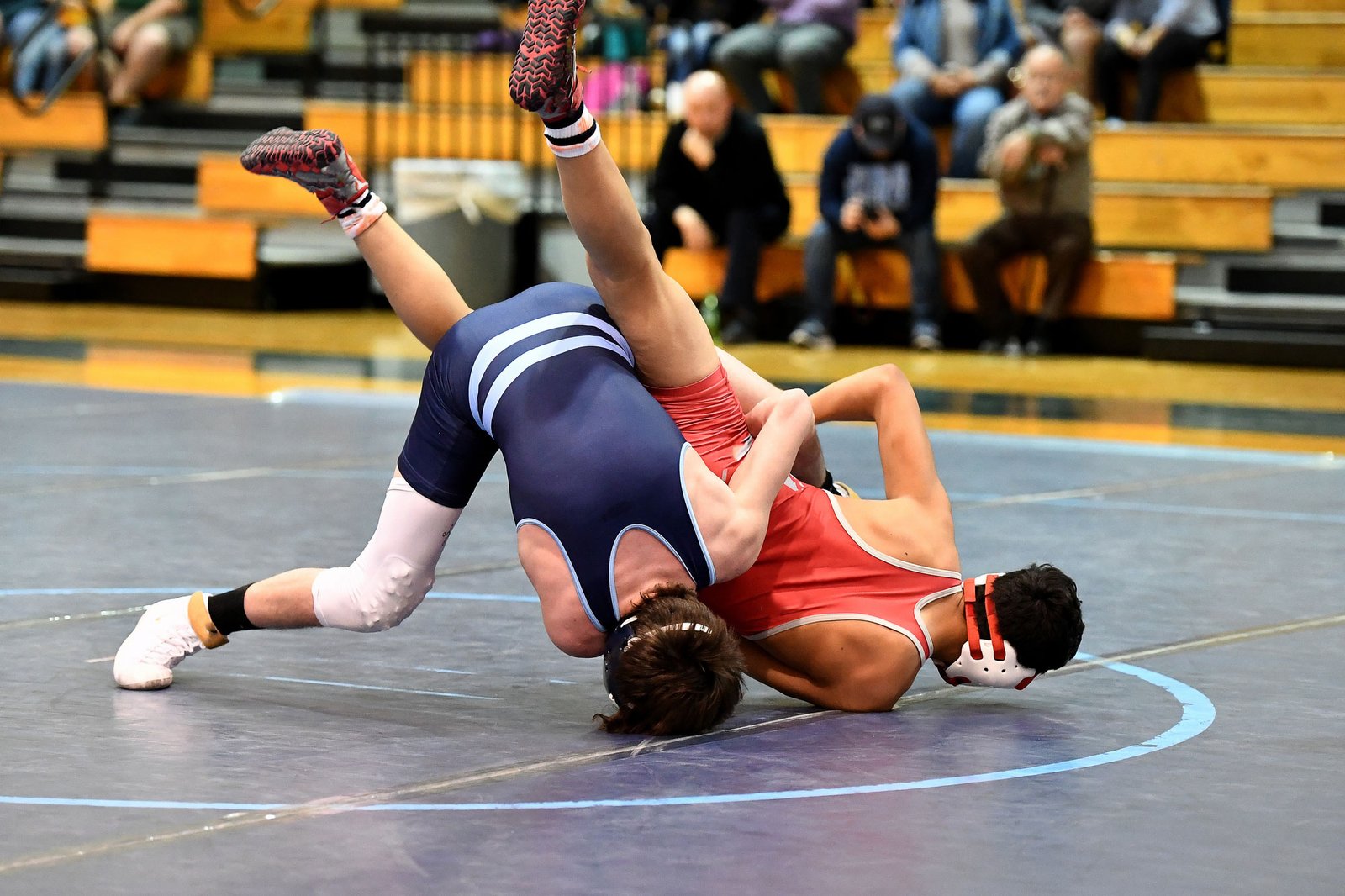
Stepping onto a college mat is a thrilling venture. However, as exciting as it may sound, it is a tough competition that brings higher expectations. For freshmen and newcomers, it is more than just physical strength. Proper discipline and mental toughness are required to make a lasting impression from the beginning. We will share tips to help first-year athletes embrace the demands of this sport.
Athletes must make numerous adjustments when transitioning to college wrestling. It is not just a physical transition; the mental transition is equally important. Freshmen must push themselves to their limits and come out of their comfort zone. The opponents in college will be skilled, and the competition will be tougher with faster matches and much more intense training sessions. Weight management and practice schedules will be more intense. Newcomers need to adapt quickly to the conditions to become the best version of themselves.
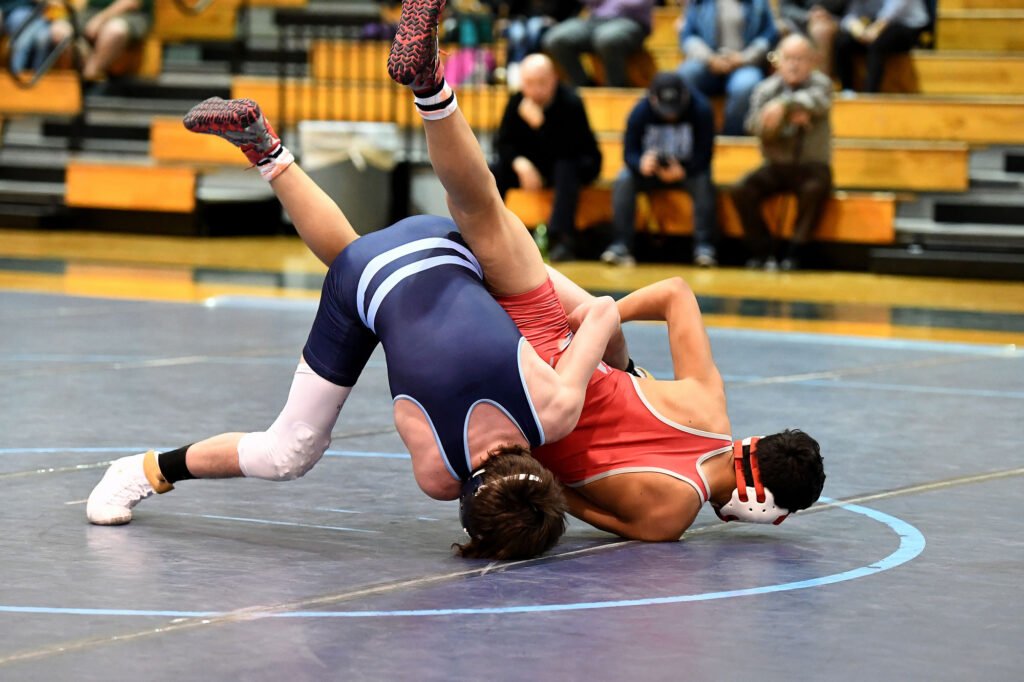
The grip on the basics makes anyone great in any sport. Newcomers must focus on mastering fundamental techniques, such as stance and positioning. While advanced moves can bring quick victories, the core moves stand out at crucial times. Daily drills and more structured training help in improving strength and endurance. Good nutrition and a recovery plan can enhance learning efficiency. Coaches and practice partners in college help learn new skills and master the basic techniques.
Weight management is one of the toughest challenges for anyone in this sport, especially the freshmen. In high schools, the standards for everything are high. It is hard to maintain weight as it requires strict discipline. A consistent, healthy diet is better in weight-cutting circumstances. Crash or extreme last-minute diet will drain the energy and make the muscles prone to injury. Work with your team nutritionist and coach, and with their guidance, prepare a proper meal plan to implement gradual weight management. Avoid dehydration as it influences strength and stamina.
Focus and motivation are the keys to discipline in college wrestling. Physical strength is a requirement, too, but it’s the mental toughness that will make you stand out from the rest. In competitive college wrestling, there are tough losses sometimes. Use every setback as a lesson and come back with a better version of yourself every next day. Set your goals and always remember why you started wrestling. It will help you push through the hard times.
Time can be your toughest opponent as a newcomer. It will be hard to carry both the studies and the athletics at the same time. However, proper management can solve this as well. First, plan your days and make a perfect blend of study and training schedules. Communicate with your professors if any tournament’s timeline is affecting your attendance in class. Many teachers will surely appreciate this. Avoid burnouts caused by overtraining and sleeplessness.
Team culture is a significant advantage of a wrestling college. Newcomers must respect the hierarchy and stay humble. Experienced wrestlers on your team can guide you through training and practices. Stay open to the feedback from team members and coaches. Your coaches are highly skilled and have multi-year experience. Use their lessons as a tool for improvement. The criticism is for your advantage as well. So don’t take it personally and push yourself beyond your comfort levels to show that you are committed to learning.
Your body is your biggest asset in the sport of wrestling. Many newcomers ignore the significance of proper rest and recovery after intense training, matches, and tournaments. First, incorporate recovery time in your daily schedule. This can include stretching drills to relax your muscles. Have a proper protein-rich diet to refuel your body and assist muscle repair. Any minor changes or pains in the body must be taken seriously before they end up in an injury. Report to the coaches and trainers about any issues. Proper sleep is a necessity in recovery. Aim for a sound sleep of at least 8 hours per night to charge your body for the next day.
College wrestling is a lifestyle where your determination is tested every day. Freshmen need to understand the importance of discipline and passion to walk past the hard days. This lifestyle includes intense training, matches, tournaments, and constant traveling, all while balancing the academic journey as well. This can be mentally challenging, but you should focus more on the rewards. Make every day count, as little progress leads to perfection. Enjoy the journey and celebrate every small win and achievement. Embrace the lifestyle and the challenges. It will make you a better wrestler and a better person.
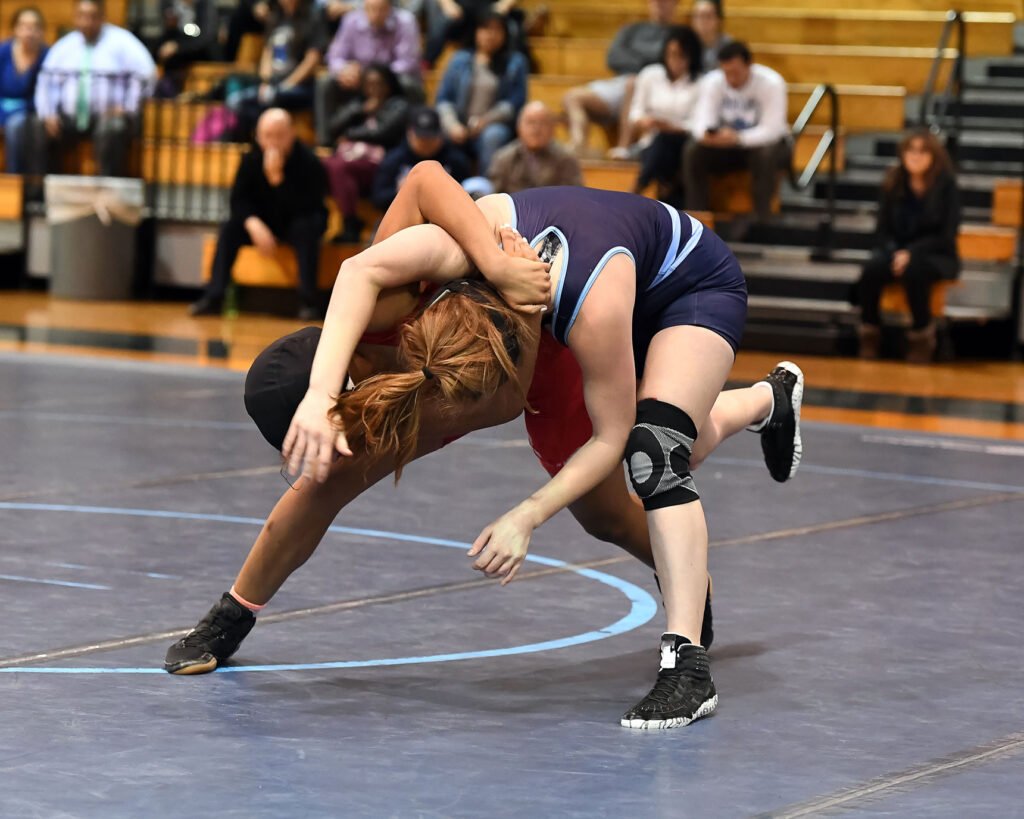
College demands physical and mental strength to succeed. Transitioning to this level can be a difficult phase, but anything can be overcome with discipline and a willingness to learn. Learn from coaches and teammates and maintain a proper balance between athletics and academics. Follow a well-balanced nutrition program and allow your body the necessary time to recover. Success is not overnight, so learn and progress every day. Every challenge on the mat will make you resilient and will help you in battling challenges that life will throw at you. This journey is all about growth, both as an athlete and as a person.
How hard is it to make a college wrestling team?
It is a challenge to make it to a college wrestling team. NCAA Division I is very competitive, while Division II and Division III provide more opportunities. Discipline is the key and helps in earning a good spot soon.
What’s the best way to cut weight safely?
Plan the weight cut gradually and avoid drastic cuts. Maintain a proper diet and hydration. Do not lean on crash or extreme diet and dehydration. Always seek the advice of your coach and nutritionist.
How do college wrestlers balance studies and training?
Manage the studies, traveling, training, and tournaments with a proper plan. Communicate with professors for upcoming tournaments.
What’s the biggest difference between high school and college wrestling?
College wrestling requires more skills, discipline, and a fast-paced approach. It is highly competitive compared to high school wrestling. College wrestling has intense training and more formidable opponents.
How can freshmen earn mat time faster?
Bring commitment to every opportunity you get. Coaches always notice the hard workers and proactive athletes. Stay disciplined and consistent in learning. Be impressive in your basic skills, workouts, and weight management.