
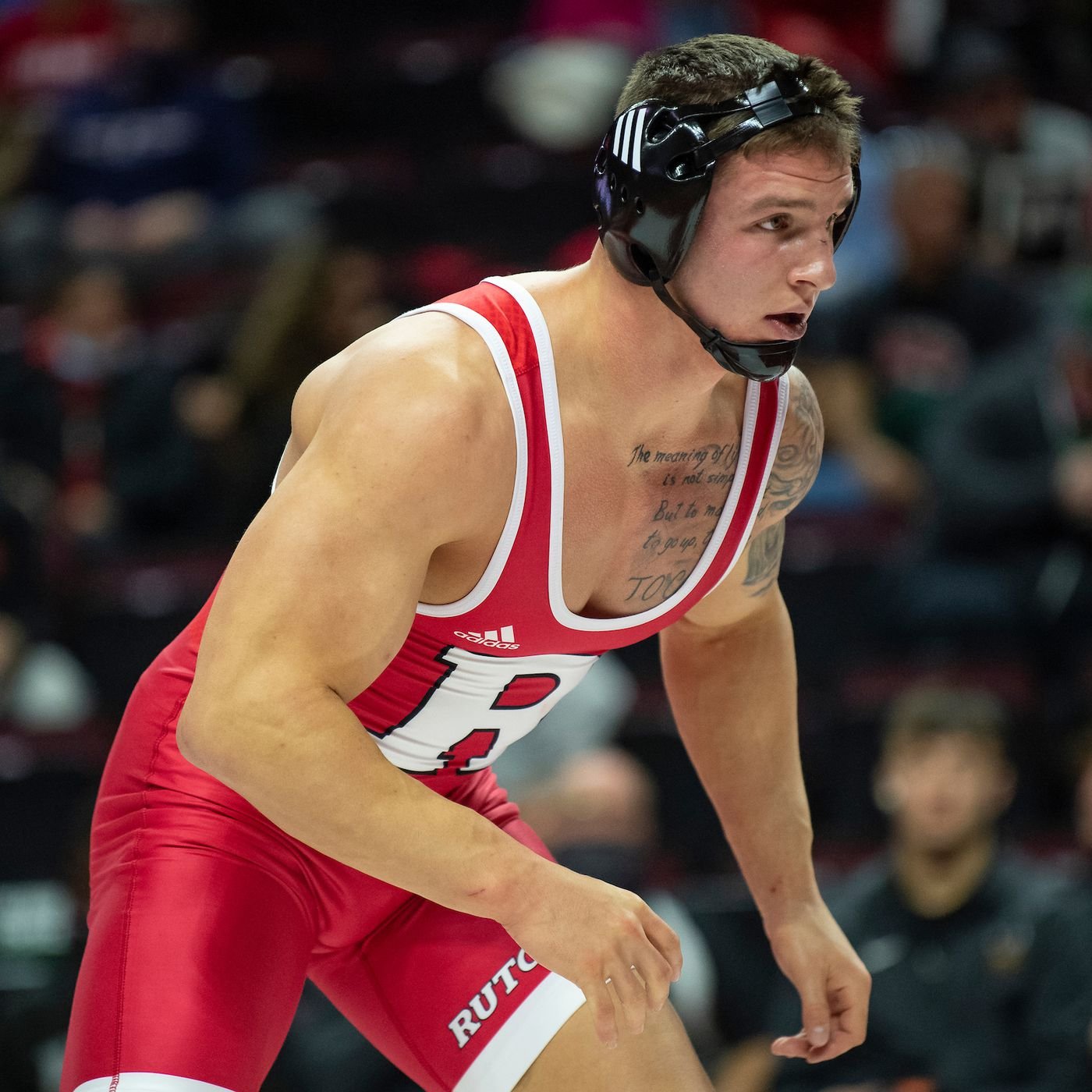
College wrestling is an intense competition and requires strategic weight control. There are different weight classes, and you must choose the appropriate one to reach your peak performance. Weight management is essential in wrestling, and effective weight cutting enhances your agility, stamina, and overall performance on the mat.
Some wrestlers, especially new students with less experience, use extreme ways to cut weight quickly. This works temporarily but can bring long-term health risks. The shortcuts include dehydration, sweating, and eating less. These lead to muscle weakness and fatal organ damage, especially cardiac complaints. Also, they affect mental strength. This guide will lead you through effective weight-cutting techniques.
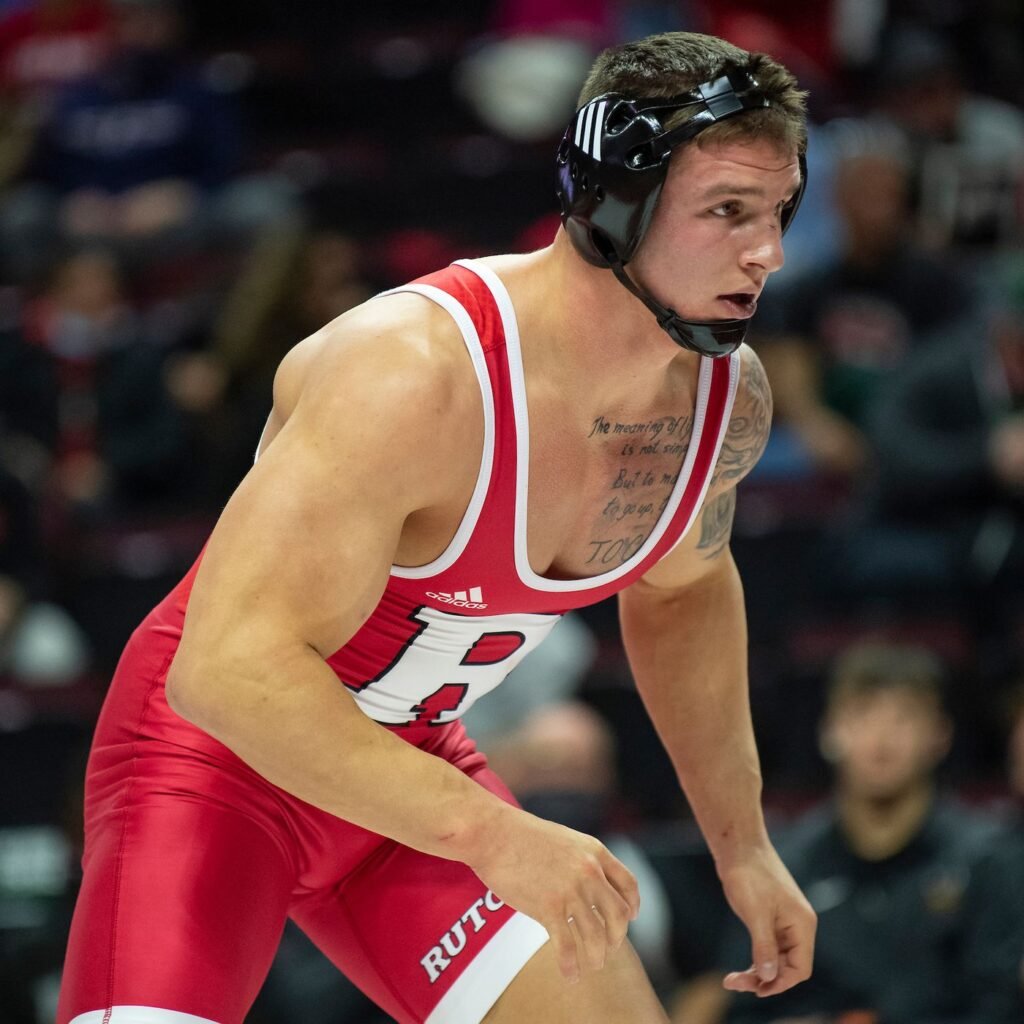
Weight management is not only about cutting a few pounds; it is about finding a perfect balance of nutrition to unleash peak performance. It involves consistency to stay within the limits of your weight class all the time to preserve focus. A wrestler must use natural, smart ways for gradual weight cutting. The weight management must go on alongside other training drills. Solely focusing on weight management can impact other abilities like strength and stamina.
Common myths about weight management in wrestling need to be debunked. Skipping meals or dehydration won’t lead to quick results. In fact, they affect the energy levels of athletes, leading to the risk of injuries. Crash diets are not beneficial. They might help you in a match or two, but they have drastic effects in the long run. Hence, weight management does not mean starvation. It is all about balanced nutrition to fuel performance.
Choosing the right weight class as a beginner in college wrestling is a significant factor in a wrestler’s journey. Selecting the weight class based on your natural body weight and size is suggested. Natural weight is the weight of your body with basic exercise and training. The competitive weight should be just below that to meet your best version. It can be tricky for new students to select their weight class, and they must seek the guidance of a coach, trainer, and nutritionist.
Some athletes think that going into lower weight classes will help them. However, it is not correct. It is, in fact, harmful to drop down from your natural body condition. Also, weight cutting won’t be difficult if you choose a class close to your natural weight. It will help you be confident on the mat. So, the right weight class is where your body performs best.
Nutrition is the mainstay of weight management in wrestling. A well-balanced diet replenishes energy, aids recovery, and produces the best performance. A good diet has an appropriate mixture of carbohydrates and beneficial fats. Adjust them in different ratios according to the intensity of training. Before the match, a light meal is recommended. After the game, keep your focus on a protein-rich diet to boost muscle strength and recovery. Meal timing is equally important as the meal itself. Plan your meal timings with the advice of the team nutritionist for the best results.
Hydration is a factor mostly overlooked during weight management. It is a myth that sweating more is better. In fact, it can lead to dehydration, which is a severe problem. Dehydration affects your body on both physical and mental levels. Fluid imbalance can lead to cramps and make you prone to injuries. Drink water regularly and maintain electrolyte balance with special drinks for better hydration.
Recovery is beneficial in efficient weight management. Spare some time for recovery after intense training sessions. Sleep is a significant part of the recovery period. Wrestlers must aim for a sound 8 hours of sleep regularly. Hence, hydration and recovery are not optional. They are a necessity of your weight management plan and must be treated alike.
Weight cutting is a gradual and consistent process with no shortcuts. Weight management would be easy at an appropriate rate, and the body would easily adjust to the weight cuts. The first step is to make a weekly goal to cut 1-2 pounds. Monitor the progress daily and weekly, and do not make drastic changes. Adjust the aim value according to the time you have. Keep good care of nutrition, hydration, and recovery throughout. Avoid skipping meals, dehydration, and overtraining.
Weight management can be a tough mental battle. It demands self-control and discipline. It is completely normal to face temptations and cravings for snacks. You have to replace the unhealthy snacks with the healthy ones. Build a strong mindset with positive self-talk and make habits according to your needs.

The off-season is a tricky period for weight management. Many wrestlers get relaxed in the off-season, which impacts their discipline. In fact, the off-season is an excellent period to refill energy and work on everything in detail. Continue light training and conditioning drills to stay in shape and within your weight class’s limits. Working on your abilities in the off-season makes a difference, and this kind of dedication separates the best from the good.
Weight management is about discipline and self-control. It should be done using natural ways. Avoid using crash diets, severe starvation, and sweating. Maintain proper nutrition, hydration, and recovery. Aim for weekly improvements and monitor changes regularly. Stay mentally positive and use a gradual process for cutting weight. Work with your coach and nutritionist to make a balanced schedule. Managing weight perfectly gives confidence and brings out the best performance from a wrestler on the mat.
It is safe to aim to lose 1-2 pounds per week. Do not overtrain or use crash methods. A gradual process ensures health and prevents muscle injuries.
The best pre-match meal is a light meal containing proteins, carbohydrates, and useful fats. It must be taken at least two hours before the match to maintain metabolism.
Proper hydration is essential in the days before the competition. Special drinks balance electrolytes and body fluids during match breaks in tournaments.
Yes, it is completely okay, but it should be done carefully. Do not overtrain for weight management; do balance training to work on technique and skills.