
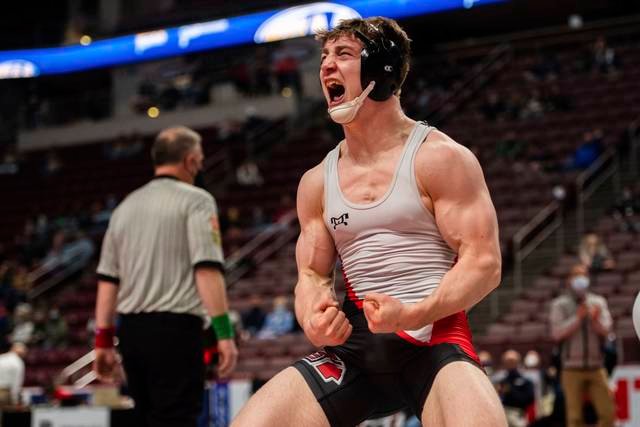
Wrestling does not end when the final whistle blows. What you do after the match matters just as much as what happens on the mat. College wrestling is a big mental and physical challenge. It pushes athletes to their limits. Intense training, tournaments, and weight management are true tests for college wrestlers. There is a high risk of exhaustion, injuries, and burnout without proper recovery. Hence, recovery is a vital factor in a college wrestler’s success. Recovery is not only about rest. It improves performance and aids in achieving long-term goals. This guide will help you refuel your drained body with the best post-match recovery tips.
Recovery is an important time after an intense performance on the mat. It is a period of growth and refilling energy. It is significant for rebuilding both mental and physical strength. Recovery is beneficial for the healing of microscopic muscular tears. Mentally, it boosts confidence and improves concentration. A well-rested mind assists in making quick and better decisions, which are important for long-term success.
Pushing harder in training drills is good, but be aware not to sacrifice your scheduled recovery time. It is a common mistake seen in freshers to overtrain and neglect recovery. Proper nutrition and hydration are required for proper recovery of muscles. Sleep is a major part of recovery, and quality sleep is essential for progress.
Immediate cooling down and stretching after the match is necessary to avoid straining muscles. Walking or jogging will help in lowering the elevated heart rate and breathing rate gradually. Light stretching will prevent cramps and stiffness in tired muscles. Aim for 15 minutes of post-match cool down and stretching. It is beneficial for improving mobility in affected regions, like the hips, shoulders, hamstrings, etc. Stretching will also improve the blood supply and oxygen supply in the body.
Proper hydration and nutrition are the key parts of recovery. The body loses vital electrolytes by sweating after an intense match. Hydration is necessary to maintain the balance of electrolytes. Simple water and specialized electrolyte-rich drinks must be included in post-match rehydration. Avoid soft drinks or sodas as they can turn the already present dehydration to severe levels. Rehydrate gradually and don’t try to overdrink.
Follow a protein-rich diet, along with the required proportions of carbohydrates and healthy fats, after the match. Note the mealtimes and try to eat within an hour after the match. Communicate with the team nutritionist and seek guidance about diet. Better nutrition and hydration habits will lead to effective recovery and prevent the body from fatigue, muscle cramps, and injury risks.
Sleep is the cornerstone of a recovery period. Having a sound sleep is the best of all the recovery tips. College wrestlers must aim for 8 hours of daily sleep. It repairs the body and helps rebuild physical and mental strength. Physically, sleep improves muscle recovery and energy levels in the body. Mentally, it enhances the ability to concentrate and make quick decisions.
College wrestlers must include some rest days in their intense schedule, at least once a week. Rest days can include light training drills like yoga, swimming, and conditioning drills to improve body flexibility, which in turn helps in recovery. Resting is not a weakness; it is a necessity to maintain consistent good performance.
Listening to your body is a significant aspect of recovery. The body tells when there is something wrong. Many freshers make the mistake of ignoring minor pains and injuries, which can lead to severe setbacks. Noticing the signs early helps in proper remission. College wrestlers must adjust the intensity of the training according to their body’s condition. It is suggested to communicate with team trainers and physiotherapists on possible injury risks. They will guide you with smart injury prevention tactics, massage therapies, stretching, and exercises.
Massage therapies, especially self-massage and foam rolling, are very effective in the healing process. Use these techniques on tired muscles after the match. It will relieve the tense muscles by improving circulation. An ice bath is a recovery technique with proven efficacy. It reduces swelling and inflammation. Alternate hot and cold exposure is suggested for muscle relaxation and better recovery. These are simple techniques, and making them a part of your practices makes a positive difference.
Mental recovery is equally necessary as physical recovery. The college lifestyle demands a lot of focus and discipline. It is a test of self-control, which can be tiring sometimes. Results not going your way can demotivate you. Hence, a clear positive mindset is required to enhance your performance on the mat. After the match, wrestlers must focus on the small improvements they made during the match. This will boost confidence even after a loss. Having fun with friends or enjoying your hobby are healthy ways to rejuvenate the mind and regain concentration.
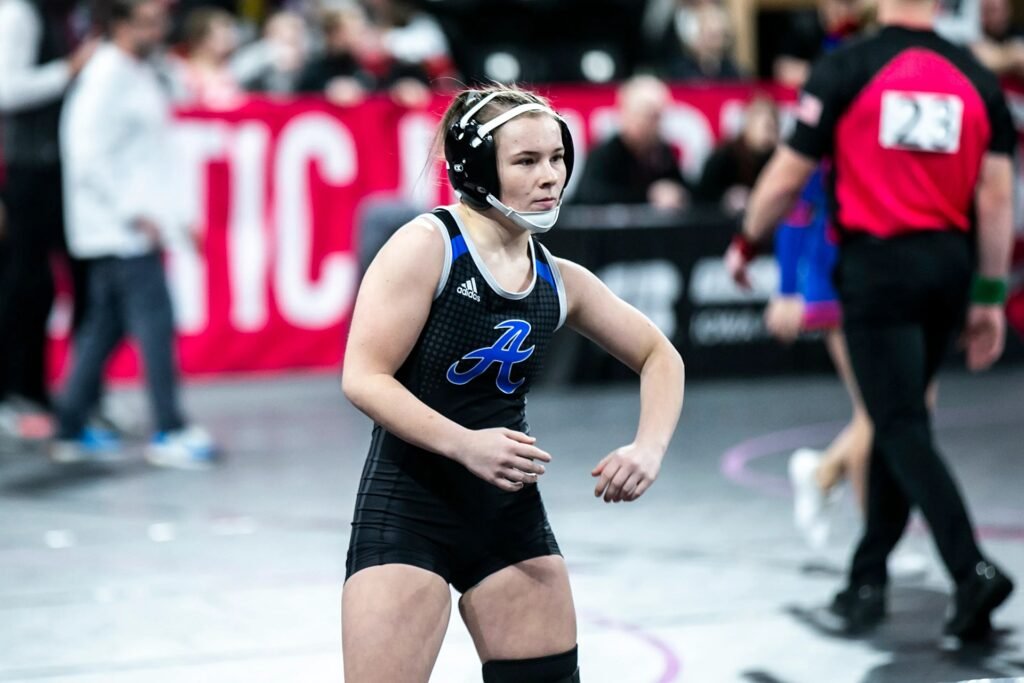
Recovery is necessary to prepare for the upcoming challenges as a college wrestler. Recovery helps maintain discipline and consistency. Physically, it boosts muscular repair and lowers the risk of injury. The techniques include cooling down, stretching, ice baths, and different exercises. Sleep, hydration, and nutrition play a major role in recovery. Mentally, recovery boosts focus and quick decision-making abilities on the mat. Connecting with family and hanging out with friends can help a lot. Smart recovery leads to stronger wrestling performances and helps in achieving long-term goals.
The duration of recovery depends upon the physical condition of the wrestler and the physical intensity of the match. On average, a day is required to fully recover. Wrestlers must listen to their bodies, as they will give signs of proper recovery.
The best post-match meal is a perfect blend of carbohydrates, proteins, and fats. It can include meat, rice, eggs, vegetables, etc.
Yes, stretching is effective in reducing muscle soreness. It increases blood flow to the affected part, leading to its quick recovery.
Sleep is a major part of the recovery phase. College wrestlers must aim for 8 hours of sound sleep for 8 hours daily. Sleep is necessary for rebuilding both physical and mental strength.
Yes, recovery days don’t mean doing nothing. Avoid heavy training and light training with conditioning drills is suggested for recovery days. Wrestlers should focus on yoga, stretching, and light exercises to enhance the durability and flexibility of muscles.