
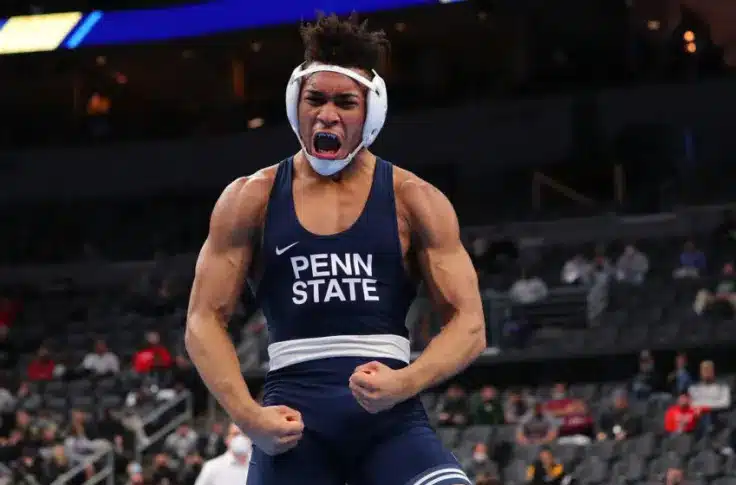
College wrestling is a dream for many aspiring athletes. Stepping onto the mat in college and surviving it is an ultimate challenge. College wrestling pushes athletes to their limits with fierce competition and intense battles. It is a test of mental and physical toughness. It is not easy to transition from high school to college wrestling. This guide will help you survive and succeed in college wrestling. You have to take a step towards college wrestling, and this roadmap will guide you every step of the way. Catch all details on How to Start College Wrestling — A Complete Beginner’s Guide for Aspiring Athletes.
There are different options in college wrestling, each with its own structure and environment. Not everyone is suitable for every place, so new students must choose wisely.
NCAA: It provides the best of competition in terms of college wrestling. There are three divisions in the NCAA. Division I is the most challenging and offers intense training. Division II equally focuses on academics and training. Division III relies more on academics but also maintains wrestling.
NAIA and NJCAA: NAIA programs offer solid competition. On the other hand, NJCAA offers junior college wrestling, with two-year programs to prepare for 4-year programs. These two are best for mastering the basics. However, the primary aim for each wrestler should be to reach NCAA Division I.
If you have previous experience, sharpen your fundamental skills before college. Try to get smooth on the mat and improve your stance. This will also help in building confidence. Work on your strength and endurance. Do flexibility and stamina drills to enhance physical strength. Be consistent with your drills.
Tryouts are an opportunity to show your abilities to coaches. The first impression is the last. Similarly, during a tryout, you must present in perfect gear and with proper body language. Stay confident and be respectful to everyone. Coaches pay attention to every detail, including off-mat skills.
Avoid burning yourself out before the tryout. Overtraining can lead to exhaustion and increased risk of injury. Stay hydrated and eat well before the tryout. Use every little opportunity to show your effort to the coaches. Do not panic over minor mistakes and show passion to better yourself. Listen to every instruction, stay composed, and make a strong impression.
Discipline is the most significant demand in college wrestling. Managing weight is an innovative process and should be done with a perfect blend of nutrition and training. Too quick weight cuts can be dangerous, leading to injuries. Hydration and balanced meals are the best options for managing weight. Keep a daily weight record and plan accordingly. Always schedule recovery time after intense training sessions and refuel yourself with good nutrition.
Mental strength is a key factor in surviving college wrestling. Several first-year students lack a strong mind, which leads them to give up. A winning mindset won’t build overnight and requires long-term effort. You should be ready to face the hardships and push yourself out of your comfort zone. Some days, there will be tough losses. However, they must be used as motivation, not as a setback. Always focus on bouncing back stronger.
Be patient with the progress and celebrate every day’s improvement. Self-talk is a key factor in developing a strong mindset. Set small goals daily and weekly. In matches, there comes a time when both wrestlers are exhausted. That’s where mental strength gives an edge and helps in pushing through that phase. Also, a positive mindset will help handle the pressure of training and academics simultaneously.
Time management is a tough challenge for college wrestlers. You must go through intense, long training sessions, tournaments, and travel, all while managing academics. Plan your days and spare time for study sessions and training sessions accordingly. Communicate with the professors about any upcoming travel or tournament schedule. Most will encourage you if you request respectfully.
Learn to enjoy a balanced life in a college wrestling environment. Give time to hobbies and friends, and stay connected to family as well. Do not rush for academic and athletic sessions to avoid burning out. Use proper recovery time to cope with stress and tiredness.
Safety is necessary in every sport. College wrestlers must have essential gear to perform smoothly. The essentials include headgear, a singlet, mouth guards, and shoes with proper grip on the mat. Equipment maintenance is necessary as well. Use different singlets for training and tournaments. Wash the gear regularly. Let your shoes dry daily to remove sweat and odor.
Repair items and check straps and laces for any problems. Replace the damaged gear on time to avoid issues during the match. Practice good hygiene, as there is an increased risk of skin infections. Use soaps and do not share gears. Staying fit is essential for any sport, and safety gear and hygienic measures boost confidence on the mat.
College wrestling is a team sport. Coaches train wrestlers in teams, and training drills are done in groups. Build strong relationships with your mates and seniors. Be in a company of people who push you towards improvement. Trust others and earn their trust with effort. Seniors can help you in challenging situations. Build solid communication with the coaches. Stay honest with coaches in every aspect regarding training, improvements, and injuries.
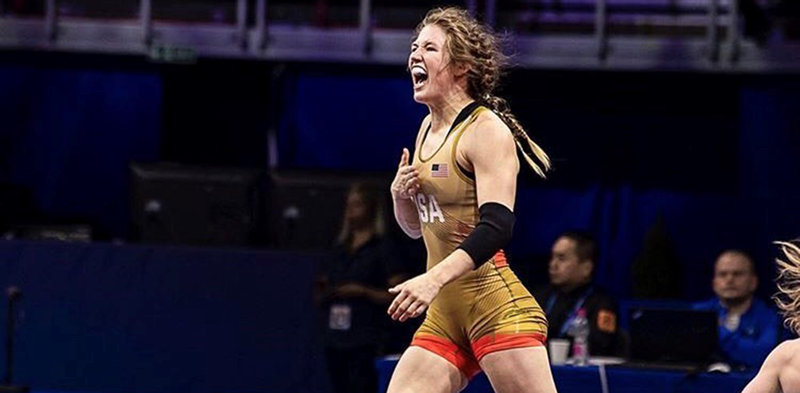
College wrestling is a fun but challenging journey, and the reward goes to those who stick to discipline and never give up. Select a suitable program for yourself and put in the effort to improve your physical and mental health every day. Keep good care of nutrition, weight management, recovery, and safety. Stay consistent and use the setbacks as fuel to keep going. Give your best shot at every opportunity and enjoy the process.
It is not an easy transition. There are programs for different levels of competition. NCAA Division I offers intense training and a high level of toughness. NAIA and NJCAA are less competitive but focus on growing fundamental skills.
Wrestling experience is beneficial to gain an opportunity in college wrestling. It is wise to learn in junior colleges and high schools before heading to college wrestling.
Aim for daily improvements and celebrate even little achievements. Set daily goals and build healthy relationships with coaches and teammates who will motivate you when you are down.