
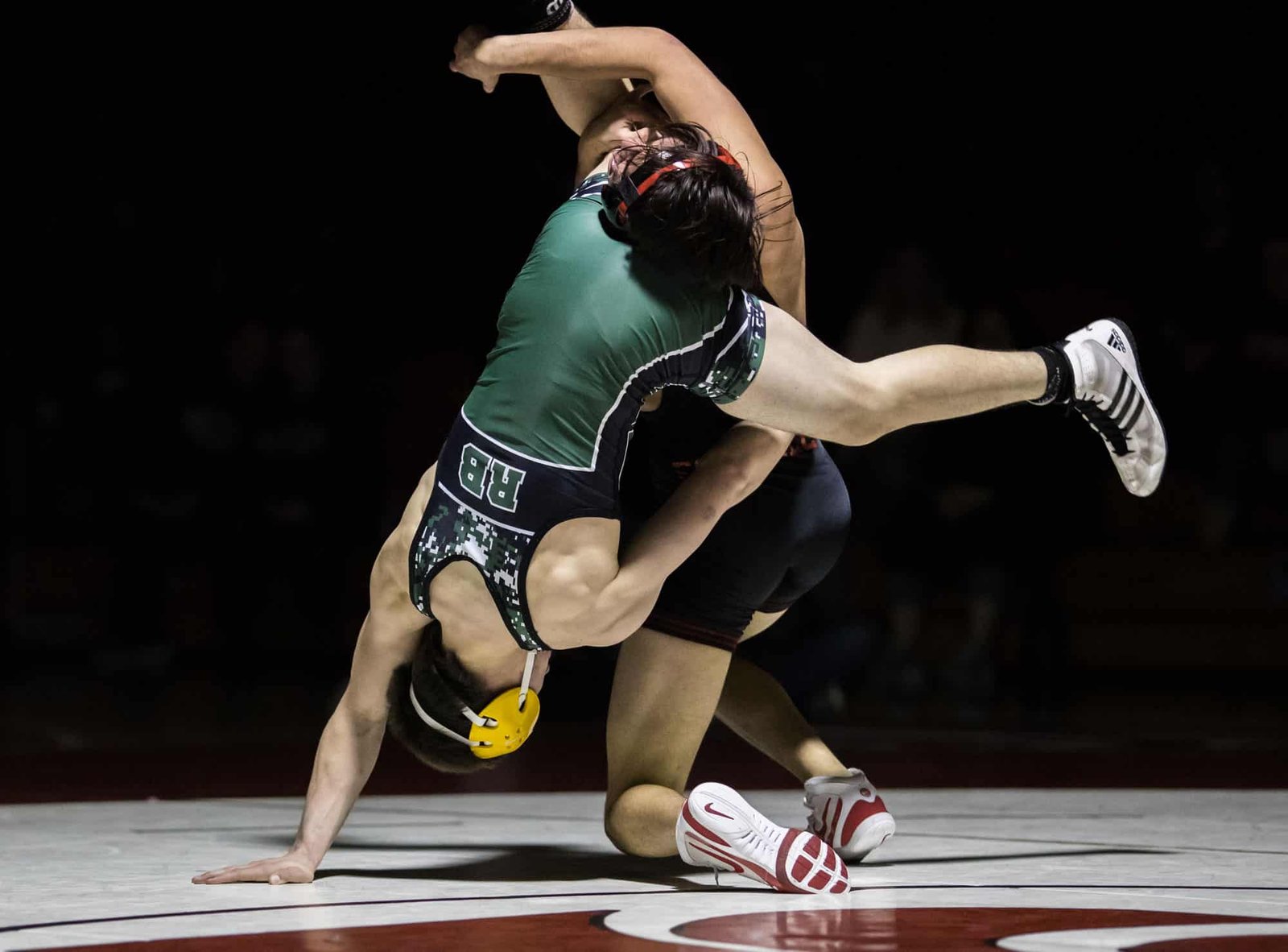
Being a student athlete is a struggle to balance athletics and academics. College wrestling is a challenging environment that demands resilience, consistency, and discipline. It is a test for both physical and mental strength. Wrestlers have to focus on classes, exams, training, and tournaments all at the same time. We will discuss strategies to thrive as a student-athlete and ways to grow both as a wrestler and as a person while balancing their responsibilities.
A student-athlete must fulfill different demands in two separate fields. Many students make mistakes, focusing more on the physical aspects of college life. In this way, they ruin their grades. On the other hand, some of them will focus more on academics and will suffer on the mat. An organized lifestyle is required to balance both studies and wrestling, ensuring effective balancing of their time and efforts.
Expectations come from every side. Professors will expect good grades, while coaches will expect better results on the mat. It is an intense journey, but also a rewarding one. It is prideful to represent your team and college in big tournaments. Student-athletes develop skills such as teamwork, discipline, time management, resilience, and confidence. The lessons learned in college make you a better person.
The day begins early for student-athletes. Training drills conducted before sunrise set the rhythm for a day in the life of a student-athlete. It is more than a physical challenge. It teaches discipline and improves the sleep-wake cycle. After the morning training sessions, the focus shifts to academics. It is also a challenge to focus on studies and complete class assignments after intense workouts.
Smart work is necessary to excel in both athletics and academics. Many students use breaks between training drills and travelling time to review notes. Student-athletes must plan their days and prioritize tasks to ensure effective time management. The schedule is tighter for student athletes, but consistency and discipline bring success.
Effective time management is crucial in achieving long-term goals. For a student athlete, every minute of the day counts. Prioritizing essential tasks is key for student-athletes. The priority may be an important training session or an exam. Sometimes, the priority is a much-needed recovery period. Digital planners are very efficient in this regard. Set time spans for training, studies, meals, and sleep.
A lack of management as a student athlete can lead to exhaustion, which in turn can lead to burnout. Pushing yourself too hard in training sessions without proper recovery can negatively impact your performance both on and off the mat. Use your energy wisely and use sufficient time to rest. Intense training days must be followed by light training days to allow for proper refueling.
Good nutrition is the epitome of good performance. A balanced diet replenishes the body’s energy levels. The best diet for a student-athlete is a mixture of proteins, carbohydrates, and healthy fats in appropriate proportions to meet the needs. Avoid unhealthy snacks and increase fruit intake. Have a healthy protein-rich meal after matches and intense workouts. On the other hand, go for a light meal for pre-match intake. Maintain your meal timings with the advice of the team nutritionist.
Hydration is equally important for a college wrestler. Some freshmen make mistakes in dehydrating themselves for quick weight cuts. It is very dangerous and can lead to serious injuries and health risks. Drink water consistently and maintain the electrolyte balance by consuming special drinks. Good nutrition and hydration support optimal performance in both academics and athletics.
Rest and recovery period is underrated yet a key factor in the performance of a student-athlete. Sleep is the most significant part of the recovery phase. Student-athletes must ensure they get a sound sleep of approximately 8 hours per day. It sharpens the mind and increases concentration in studies and training. It also protects the body from injuries and resets it for the next day.
Student-athletes face consistent pressure due to the challenges they encounter every day. They must attend classes, do classwork, and prepare for the exams. On the other hand, they must participate in training sessions and crucial tournaments. A positive mindset is essential for managing stress. Consistency is the key, and a student-athlete must stay consistently focused. Make weekly goals and celebrate every little achievement, as it will boost confidence. Student-athletes must believe in themselves, as it is the strongest and most lasting motivation.
To succeed in any journey in life, enjoying it is most important. In time management, spare time for your hobbies and friends. Stay connected with your family and keep them updated. Enjoy training and traveling with your teammates. Student athletes must discuss things with their teammates during small breaks. You will only thrive in true essence if you enjoy the process along the way.

Balancing studies and wrestling is not easy for a student-athlete. It requires strong discipline, consistency, and management. It is a challenging environment that shapes resilient people. Student athletes should focus on efficient time management, nutrition, and recovery. They should keep their minds fresh and positive and enjoy the journey. It will help them grow and perform not only in college life but in every stage of their lives.
The most challenging aspect is striking a balance between academics and athletics. Staying organized is crucial to maintaining this balance without problems.
Time management requires thorough planning. Student-athletes can use digital planners to manage their training, classes, meals, and recovery periods.
A balanced diet includes lean proteins, carbohydrates, and useful fats in appropriate proportions. Use fruits and vegetables to meet nutritional needs. Avoid dehydration and drink electrolyte-rich beverages to boost your energy.
Rest is a major part of the recovery phase. A student athlete must aim for a peaceful 8-hour sleep. Even small breaks during training and study sessions can be used for naps. Skipping rest can lead to physical and mental complications.
Listening to the body’s needs is necessary to avoid burnout. Maintain a proper diet and adhere to regular meal times to facilitate a full recovery. Mix light and intense training days and spare time for your hobbies as well.