
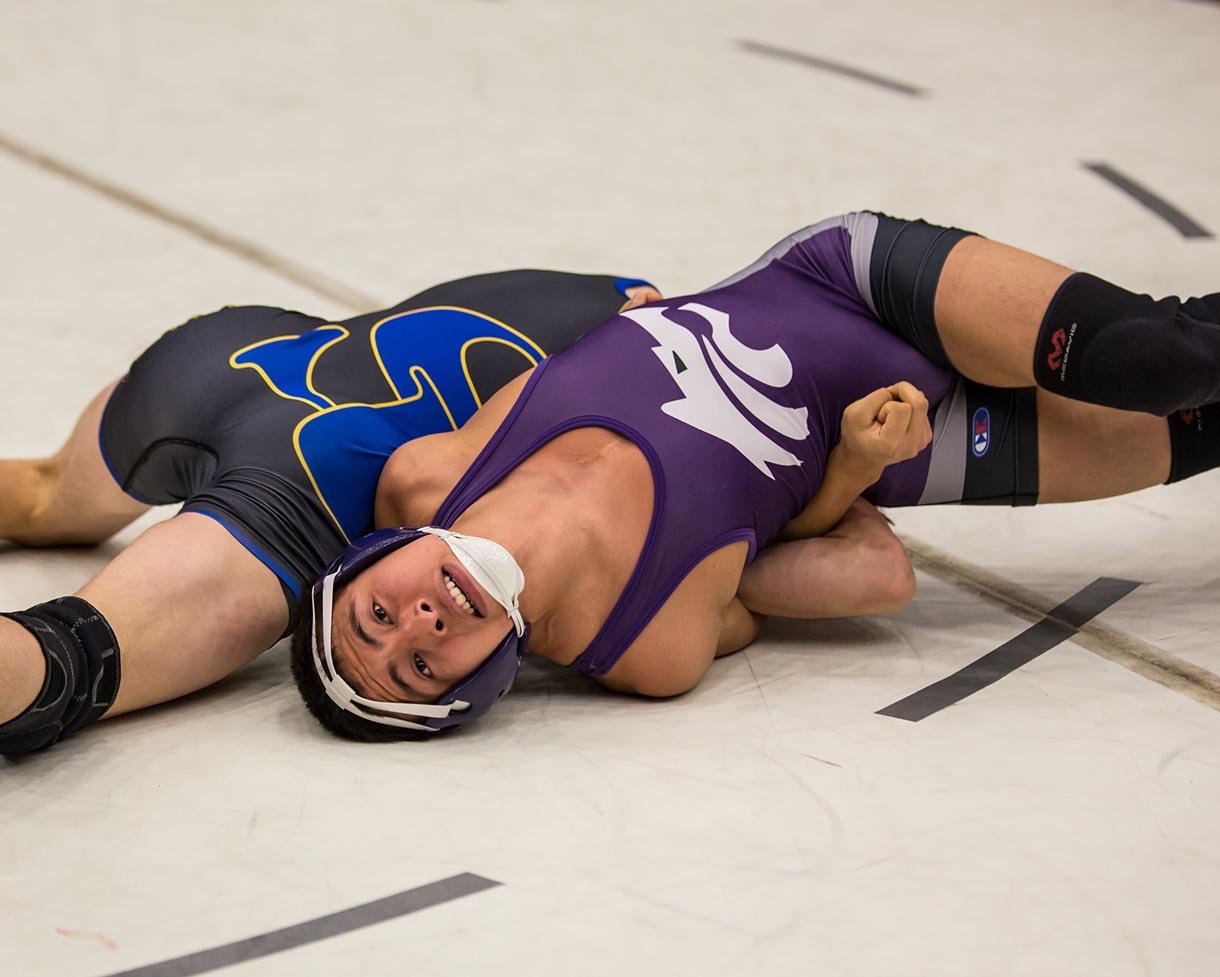
College wrestling is a real test of mental strength. With fast-paced matches and intense training sessions, college wrestling demands the ability to stay calm under pressure. A strong mindset keeps you steady during tough losses, and building mental strength becomes just as essential as physical conditioning or technique. Many newcomers burn themselves out with excitement, but mastering the mindset allows them to thrive. Freshmen can survive the diverse environment of college wrestling when they commit to mastering the mindset and overcoming transition through structured mental training.
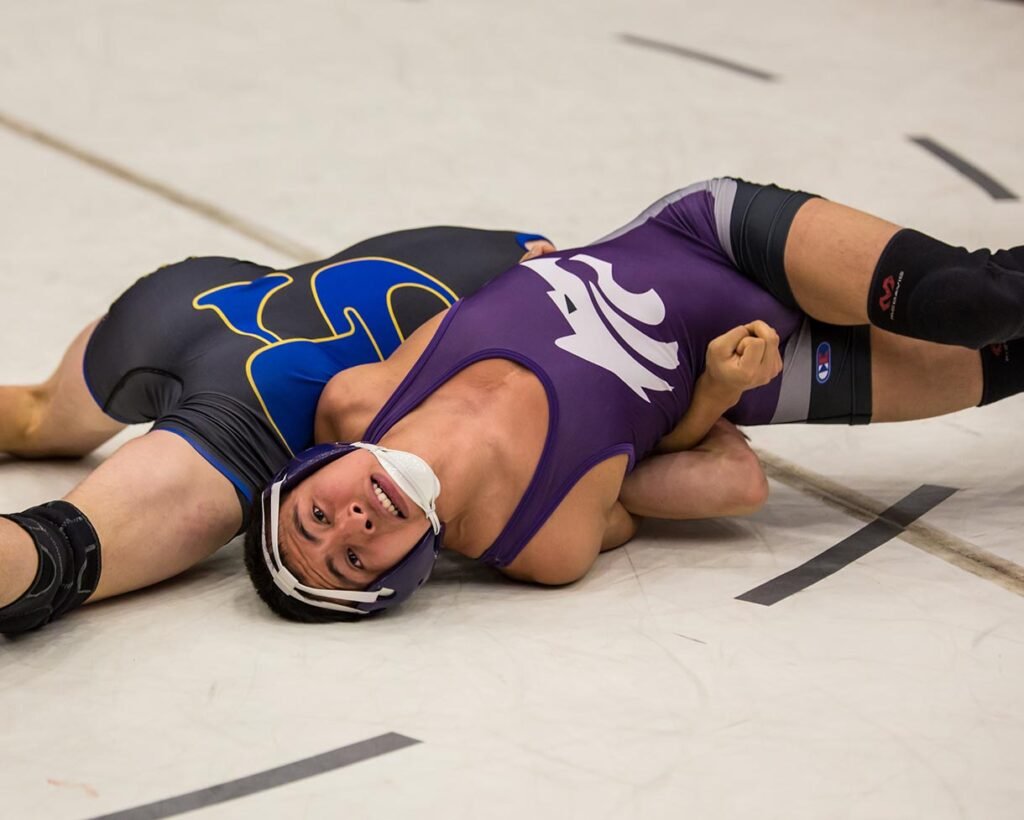
Mental toughness plays a significant role in college wrestling success. It blends discipline, passion, continuous motivation, and patience. Any early mistake in a match can break you mentally, but mental strength teaches you to learn instead of shutting down. A wrestler with strong mental strength can produce surprising late-match comebacks. Great wrestlers demonstrate how mastering the mindset helps them rise when they are down on the mat. Spencer Lee, Jordan Burroughs, and Dan Gable built their legacies through mental strength and succeeded in high-pressure situations. Understanding wrestling psychology is the first step toward developing focus and channeling your competitive energy.
The transition from high school to college wrestling is rarely simple. This new environment brings more competition, intensity, and expectations. You suddenly face athletes who were the best from their schools. Many freshmen assume the challenge is purely physical, only to discover that overcoming transition requires far more mental strength than expected.
Self-doubt and fear of failure are normal, but handling that fear is what defines success. Wrestlers must use doubt to stay motivated and focused. With discipline, hard work, and mastering the mindset, overcoming transition becomes achievable. Learning to manage pressure is what keeps young athletes growing inside college wrestling.
Confidence grows over time. First-year students must train hard, believe in their skills, and take advantage of every opportunity. Self-talk is a powerful mental tool endorsed by many great athletes. Talking to yourself before a match, rehearsing strategy, and visualizing positive outcomes builds confidence. This approach deepens developing focus by giving wrestlers a sense of control.
Setting personal goals and celebrating small achievements help prevent emotional derailment. Confidence should be used wisely—too little weakens your ability to compete, and balanced confidence supports stronger performances. A big part of mastering the mindset comes from understanding how confidence influences college wrestling success.
Developing focus is one of the biggest deciders in any sport, especially college wrestling. Losing concentration for even a moment can cost points and give your opponent an advantage. Mindfulness helps you stay present and reduces anxiety. Relaxed breathing also strengthens developing focus. Deep breaths before a match improve concentration, and calm breathing during breaks gears you up for the next round.
Make focused breathing a regular part of training. Stay present regardless of the score, and avoid panicking. With better concentration, wrestlers can read their opponents and capitalize on mistakes quickly during fast-paced encounters.
Winning and losing are both parts of college wrestling. Even highly skilled competitors experience tough losses. What matters is how you respond. Take constructive criticism from coaches and teammates. Evaluate technical mistakes while acknowledging personal progress.
Setbacks challenge mental strength, but they also provide the best opportunities for growth. Accepting defeat doesn’t mean ignoring it; it means using the loss as motivation. Wrestlers who excel at mastering the mindset understand that resilience plays a long-term role in their development and helps them continue overcoming transition challenges.
Discipline starts with doing things to genuinely improve yourself. It includes time management, sleep, nutrition, and consistency; all crucial in college wrestling. Freshmen must balance academics, training, and recovery. Strong discipline supports developing focus, which directly feeds into performance. Over time, these habits form the base of mastering the mindset and building real mental strength.
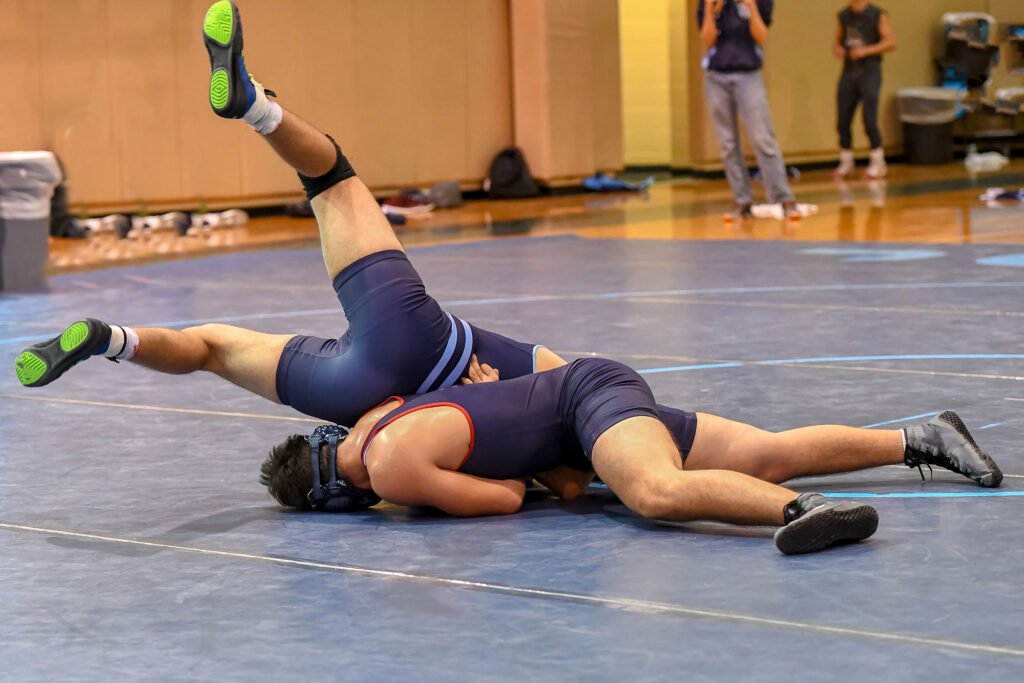
Mental strength is essential for a successful career in college wrestling. A strong mind improves performance and helps athletes continue overcoming transition challenges as they adjust to new levels of competition. Through consistent practice of visualization, self-talk, breathing exercises, and developing focus, wrestlers can strengthen their mental foundation. Treat mental training the same as physical training, and view setbacks as opportunities for growth. This is how wrestlers truly begin mastering the mindset.
Wrestlers improve mental toughness by building consistent habits that strengthen their mindset. Learning from every match, staying motivated after setbacks, and using techniques like self-talk and visualization all contribute to stronger mental strength. Regular reflection and discipline help athletes stay confident through each phase of college wrestling.
Deep, steady breathing before a match improves focus. Self-talk, rehearsals, and positive visualizations about the strategy can build confidence and help you control nerves.
First, stay in the present moment. Breathe steadily and trust your preparation. Keep account of the score, but don’t let it panic you. Focus more on what to do next.
Stay focused on the present moment, breathe steadily, and trust in your preparation. Keeping a strong mindset will allow you to manage the score without panic and concentrate on your next moves.
Coaches can significantly influence team mindset by fostering a positive and encouraging environment. Constructive criticism and celebrating small victories are essential to help wrestlers maintain their confidence and motivation.